
Large Outdoor Planters: Designer Ideas, Materials - Buying Guide
A single large outdoor planter can do what a dozen small pots never will: anchor your garden, frame your entryway, and give plants the root space they actually need to thrive.
Key Takeaways
-
One or two large outdoor planters deliver more visual impact than a cluster of mismatched outdoor plant pots, creating cleaner lines and a more intentional style.
-
Material choice-terracotta, fiberglass, lightweight concrete, or metal-directly affects weight, weather resistance, drainage, and plant health.
-
Selecting the right planter size and depth supports healthy root systems, especially for small trees and feature shrubs in containers exposed to full sun and wind.
-
The Balcony Garden stocks designer outdoor planters in durable, weatherproof materials suited to balconies, courtyards, and large commercial spaces.
-
A short FAQ at the end covers practical questions about weight, winter care, lining, and moving planters after planting.
Why Large Outdoor Planters Transform Any Space
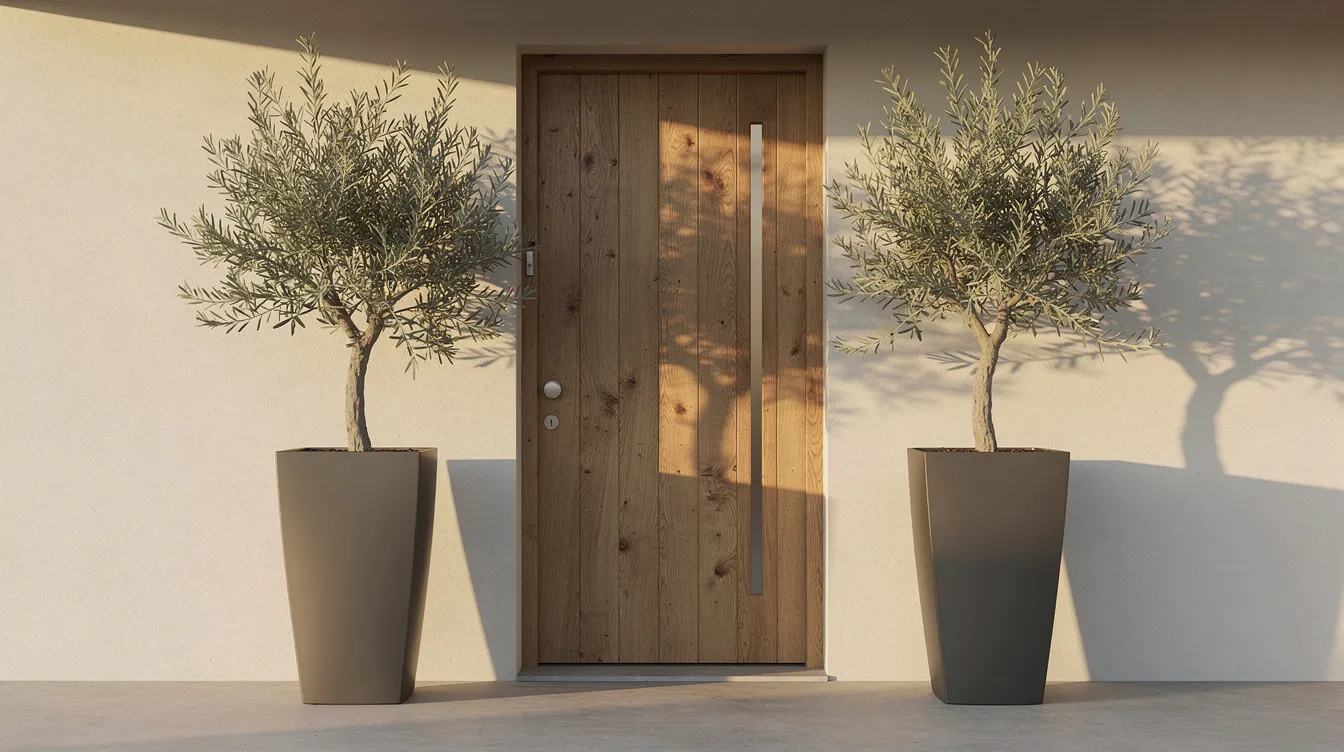
Picture a pair of 800 mm tall charcoal planters flanking your front door, each planted with an olive tree. That simple setup turns a forgettable front porch into something worth pausing at. Large outdoor planters are ideal for growing trees or bushes because they hold enough soil volume-often 150 litres or more-to insulate roots, reduce watering frequency, and let plants actually establish over time.
The trend in 2026 is clear: fewer, bigger containers beat a scattered collection of small pots every time. You get a designed look with less visual clutter, whether you're styling a narrow balcony, a suburban patio, or a restaurant forecourt. Large outdoor planters are crafted for lasting beauty and durability, and unlike cheap plastic outdoor plant pots that fade and crack after a couple of seasons, quality pieces from brands like The Balcony Garden hold their finish for years.
Choosing the Right Size & Shape for Your Large Outdoor Space
Start with size before you choose colour or finish. A 500–600 mm diameter pot suits dwarf citrus or compact olives, while feature trees like Japanese maples need 700 mm or wider-roughly 150–200 litres of soil. Depth matters too: 400–600 mm gives roots enough room for anchorage and moisture retention.
Large outdoor planters can be square, round, or rectangular, and each shape changes how the space feels:
-
Round and bowl shapes suit soft, organic garden decor.
-
Tall, slim cylinders or square columns create a contemporary, sleek entryway or pathway edge.
-
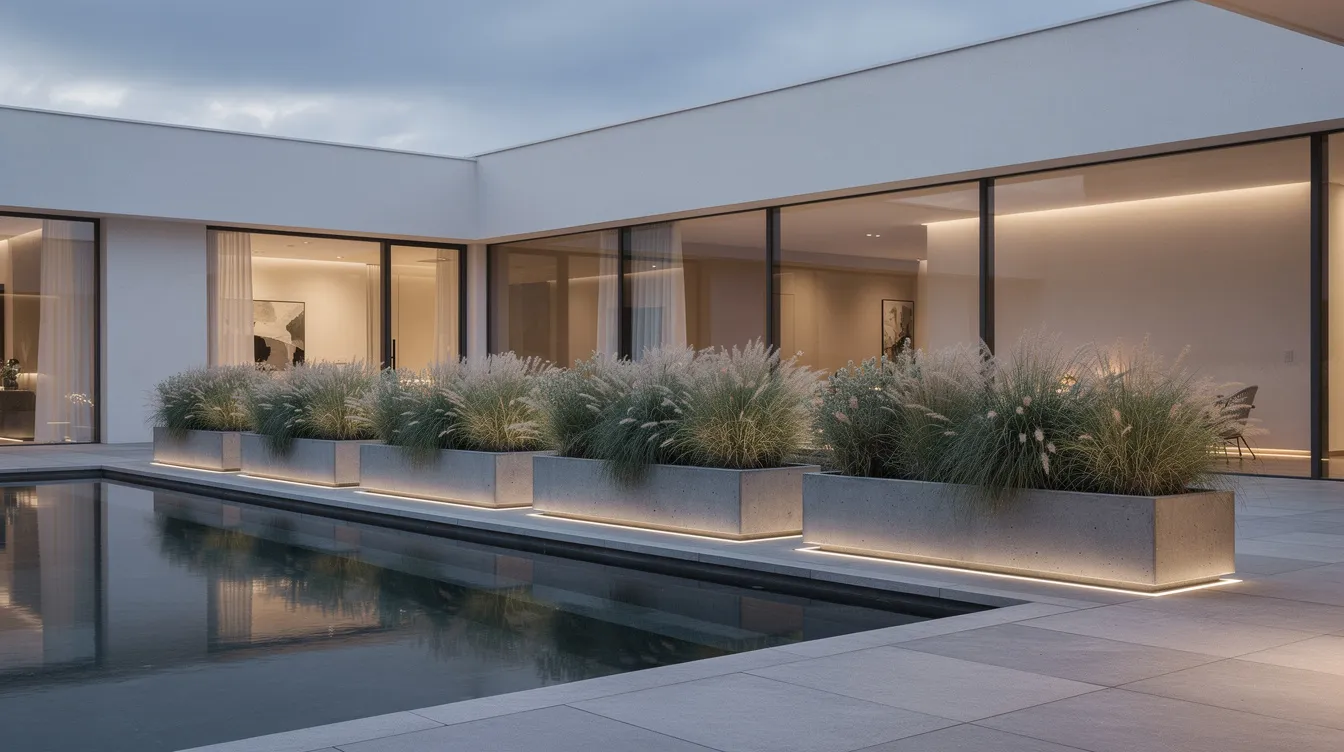
Rectangular troughs are perfect for screening along a deck, pool, or rooftop terrace.
For layout, try a three-pot cluster at graduated heights in one corner, symmetrical pairs beside a doorway, or a long row of planters to frame a courtyard. Scale up for big commercial spaces; scale down to tall, narrow profiles for tight terraces.
Best Materials for Large Outdoor Planters (Pros & Cons)
Each material influences plant health through moisture retention, thermal regulation, and chemical interaction. Here is how the main types compare.
Terracotta & hand-thrown pottery. Terracotta is highly porous, which allows maximum airflow to roots-ideal for Mediterranean herbs and succulents. The Terra Botanica collection from The Balcony Garden showcases pieces shaped by skilled artisans that develop a beautiful patina over time. The trade-off: porous materials like terracotta require more frequent irrigation due to moisture loss, and terracotta and ceramic are prone to cracking in freezing weather.
Fiberglass & composite. Planters made from fiberglass are lightweight yet durable, making them the go-to for rooftop terraces and balconies where structural loads matter. High-quality fiberglass provides good insulation against temperature fluctuations, resists UV, and won't warp or fade. Lightweight materials increase mobility for planters on decks or balconies-a major advantage when you need to reposition before or after planting.
Cast stone, concrete & stone-fibre. Concrete is extremely heavy and durable, providing stability in high winds-perfect for exposed outdoor settings. Stone-fibre mixes and lightweight concrete blends offer that same grounded, architectural look at a fraction of the weight of solid slabs.
Metal & other finishes. Powder-coated aluminium and corten-style steel deliver a modern, sleek profile in black, white, or orange tones. Metal retains moisture well but can conduct heat and cold rapidly, so liners help protect roots. Materials like earthenware, metal, and resins resist sun and rain across seasons.
Wood. Wood offers natural insulation for plant roots while being breathable, but wood can decompose over several years depending on type and usage.
Plastic & resin. Plastic retains soil moisture efficiently and is lightweight, but quality control is essential for materials like plastic to prevent deterioration under UV. Non-porous containers retain moisture longer than porous materials, so drainage setup becomes even more critical.
Choosing the right material affects plant health and moisture control. For balconies, choose lightweight planters. For exposed coastal gardens, go fiberglass or sealed composite. For hotel entries and commercial projects, heavy-duty materials can withstand extreme weather conditions and daily wear.
Design Styles & Collections from The Balcony Garden
Outdoor planters come in modern and traditional designs, and The Balcony Garden carries ranges to suit both. Minimalist planters feature clean lines and simple shapes-think tall cube or cylinder profiles in matte white, charcoal, or concrete grey from the Willow Range, a favorite for contemporary townhouses. Decorative planters enhance outdoor spaces with unique designs; the earthy, hand-thrown terracotta range is a natural fit for native and edible plantings. Many pieces are available in XL sizes and ship across Australia, so you can find large outdoor pots that match your home without compromise.
Planting Ideas: What Grows Best in Large Outdoor Planters
Match plants to pot volume and exposure. Hardy small trees-olive, bay laurel, lilly pilly standards, dwarf citrus-thrive in large outdoor pots with 150+ litres of soil. In sheltered spots, Japanese maples add drama. Ornamental grasses like Lomandra and Miscanthus bring movement and texture, while flowers and trailing species like Dichondra 'Silver Falls' fill out the base. Near an outdoor kitchen, mix rosemary, thyme, chillies, and compact tomatoes in a big trough. Rotate seasonal annuals at the edges to refresh the look without disturbing the central trees.
Installation, Drainage & Maintenance Tips
Drainage is crucial for preventing waterlogged roots in outdoor planters. Make sure every planter has adequate drainage holes, add a layer of coarse scoria or gravel at the base, and use a premium outdoor potting mix. A drainage kit simplifies the process.
Heavy planters require careful placement due to weight considerations-position before filling, especially on balconies or rooftop decks. Use pot feet or felt pads to protect tiles. Many large outdoor planters are weatherproof and UV-resistant, so maintenance is minimal: wipe surfaces with mild soapy water, and in colder climates raise planters off the ground to prevent frost damage. Insulation is important for maintaining steady moisture and temperature-frost-resistant materials ensure planters withstand harsh weather, while some large outdoor planters are frost-resistant for added durability. Frost-proof materials are necessary in colder climates to protect roots. Planters can be crafted from frost-resistant materials for durability across a variety of conditions. Expect to root-prune or repot trees every 3–5 years to maintain vigour.
Buying from The Balcony Garden: Retail, Trade & Commercial Projects
Shop our range to browse by size, colour, and material. For designers, landscapers, and builders, The Balcony Garden offers trade and wholesale accounts with volume pricing, dedicated support, and help specifying sizes and finishes for commercial orders. Custom sourcing for extra-large planters and consistent finishes across big developments is available on request, with careful packaging for freight and sustainable material choices where applicable. Explore large planters for your front door or get in touch for trade enquiries.
FAQ
How heavy are large outdoor planters once filled with soil and plants?
An empty lightweight fiberglass planter can weigh under 15 kg at 600–800 mm tall, but large outdoor planters can weigh up to 60 lbs when filled-and much more with saturated soil and a mature plant. Position before filling, use trolleys for commercial jobs, and always check load limits on elevated surfaces.
Can I use indoor potting mix in outdoor planters?
Indoor mixes are often too fine and moisture-retentive for exposed outdoor planters, leading to waterlogging and root rot. Use a quality outdoor container mix blended with coarse material for extra drainage, especially in wet climates.
Do I need to line my large outdoor planter?
Liners are useful for protecting metal interiors, easing future repotting, or reducing soil volume in extremely deep planters. Most fiberglass and terracotta planters from The Balcony Garden are designed for direct planting as long as correct drainage is in place. Check our FAQ page for more detail.
How many years will a quality large outdoor planter last outside?
Premium fiberglass and well-made terracotta planters can last a decade or more with basic cleaning and sensible placement. Cheap plastic pots often become brittle and crack after just a few seasons in full sun-quality stock is worth the investment.
Can I move a large outdoor planter after it's planted?
Small adjustments on smooth surfaces are possible with pot trolleys or sliders, but long-distance moves usually require partially removing soil. Plan final locations in advance, and for rooftop or commercial settings, coordinate with building managers before installation time.